Today’s consumers want to improve their bite or smile using “braces that don’t show” — meaning aligners, while getting great results quickly and with as few visits as possible. This is born of a busy generation that has no time for unnecessary office visits. Placing a high value on convenience and affordability, they “want it now, cheaply and fast.”
In line with this paradigm shift, our office has been using a revolutionary aligner system, FXClear from OrthoFX, since 2019 to achieve superior occlusal and smile results with fewer aligners, fewer visits and fewer months of treatment.
Case report
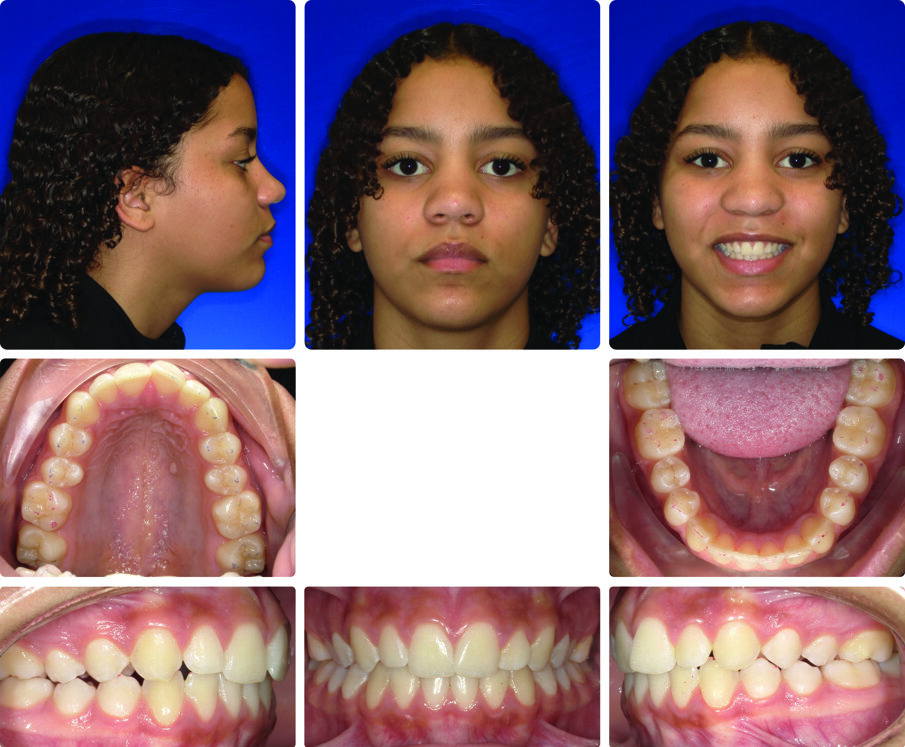
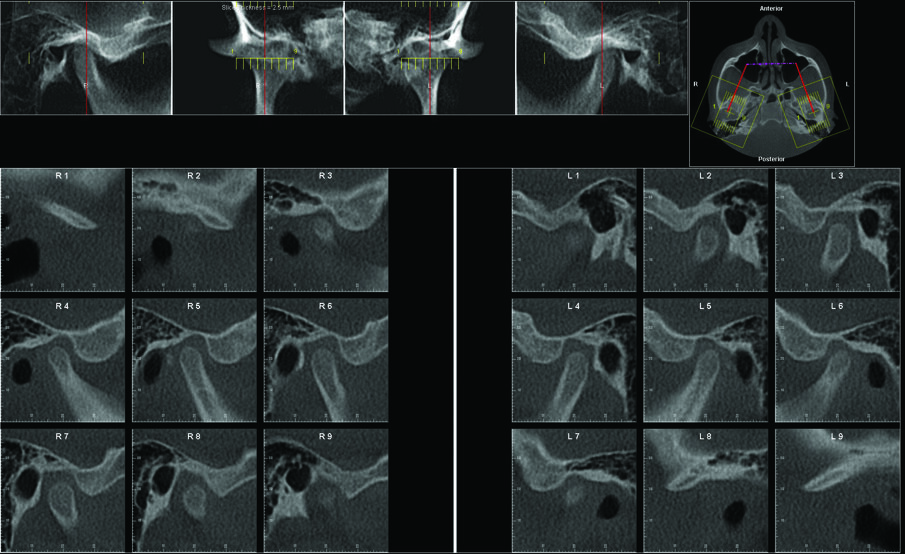
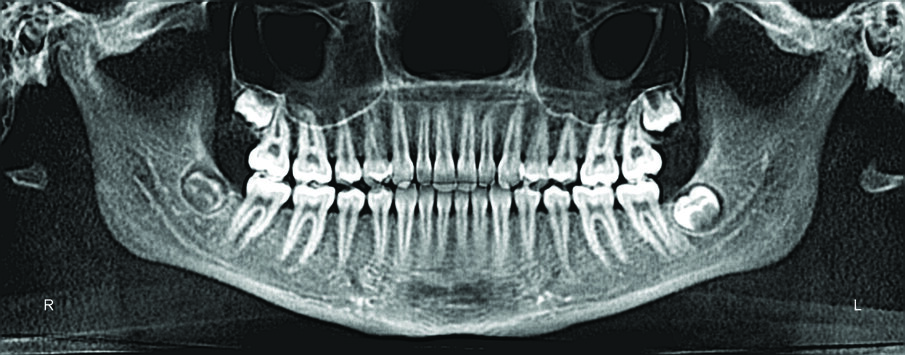
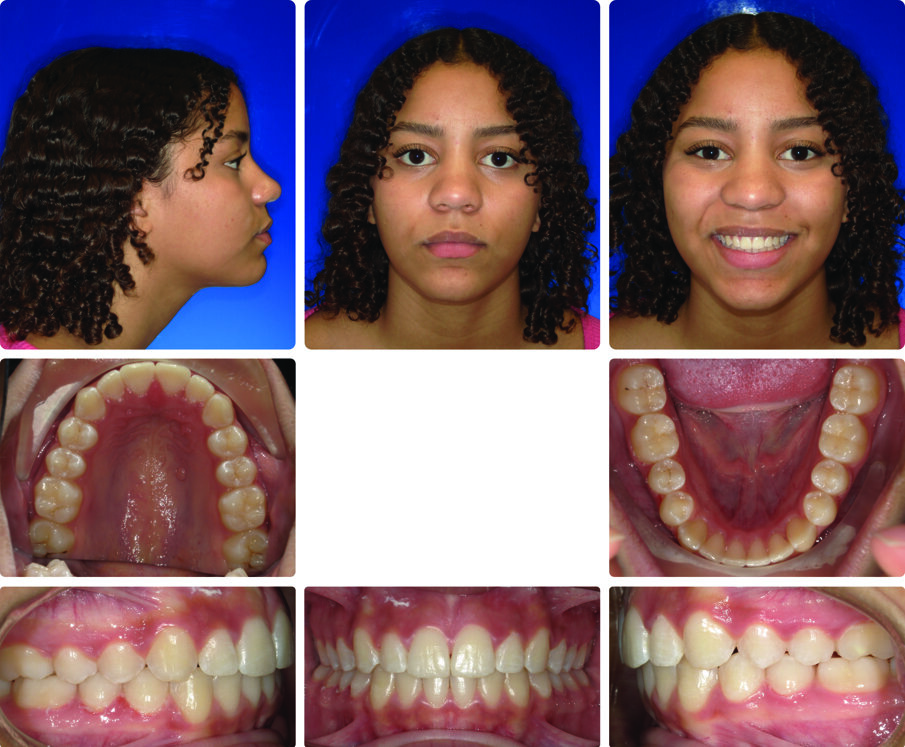
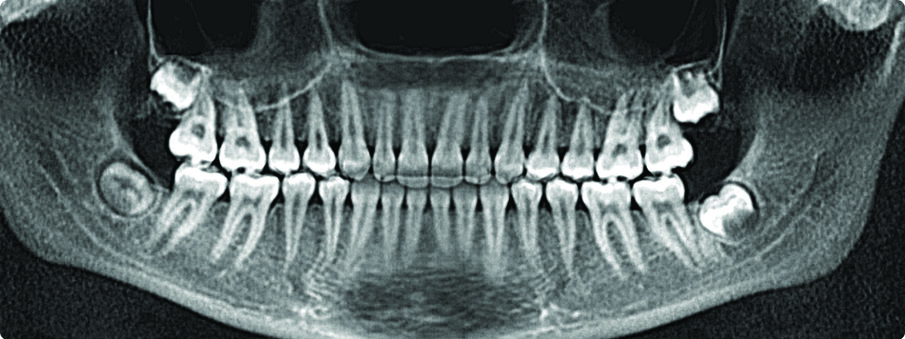
The following case highlights a patient treated with FXClear aligners (Fig. 1). She is a 14-year-old presenting with a unilateral Class II bite. On the surface, her case appears simple; however, complicating factors include a chief complaint of a history of grinding and morning dental soreness, associated with bilaterally posteriorly displaced condyles and poor incisal guidance.
Treatment objectives and FXClear Plan
- Achieve bilateral Class I occlusion.
- Establish stable occlusion with appropriate incisal guidance.
- Maintain smile line and profile.
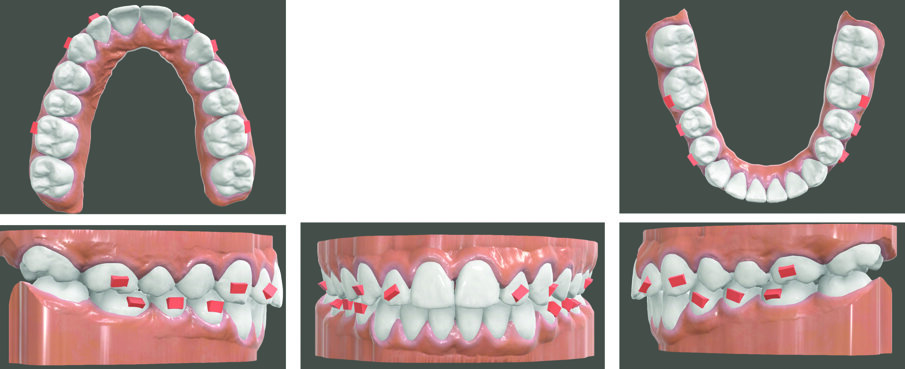
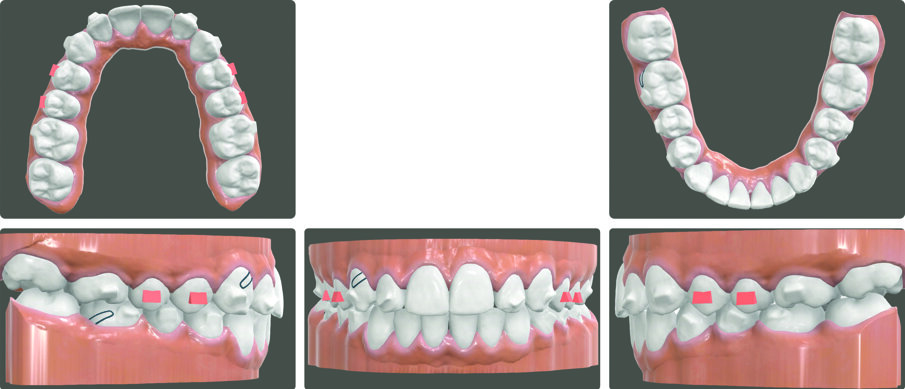
The initial treatment plan consisted of 25 aligners (Fig. 2). Based on our extensive experience with the FXClear aligner system, we have found that it requires far fewer aligners and fewer attachments than the leading brand we used previously for more than 10 years. This makes patients very happy!
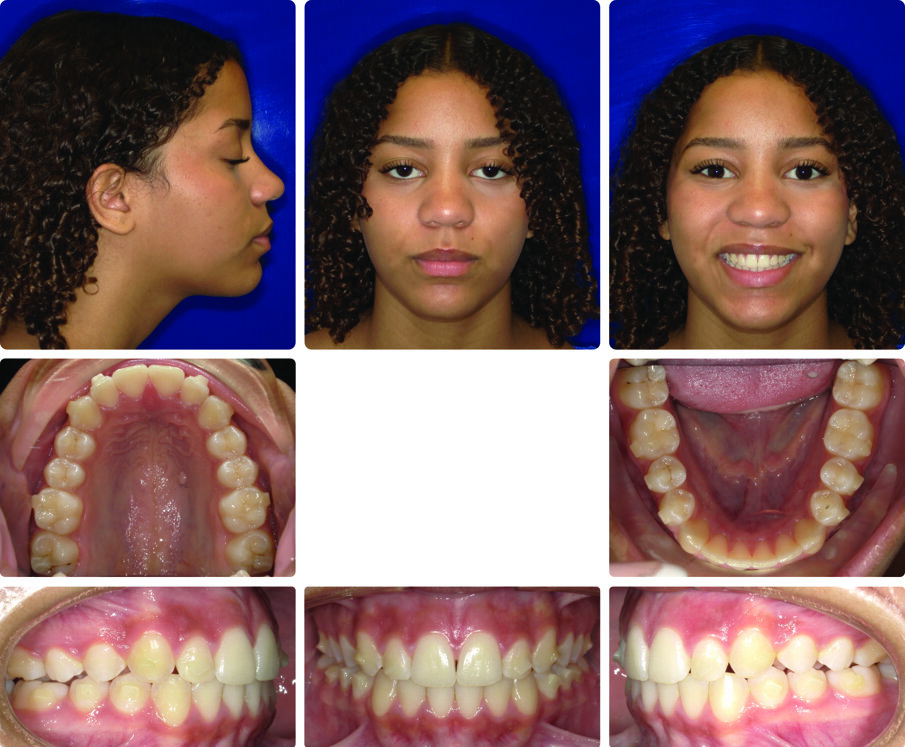
Six months later, after 22 aligners, we performed a second scan for refinement. The following images show the patient’s progress at that time. Note the improvement in occlusion after six months (Fig. 3).
Summary:
- Total treatment time: 10 months
- Total numbers of aligners: 32
- IPR required: none
- Slits were placed for finishing details only
- Total in office treatment visits: Three (initial placement, refine, retain)
- Incisal guidance was achieved with adequate long centric to help reduce morning tooth and joint discomfort.
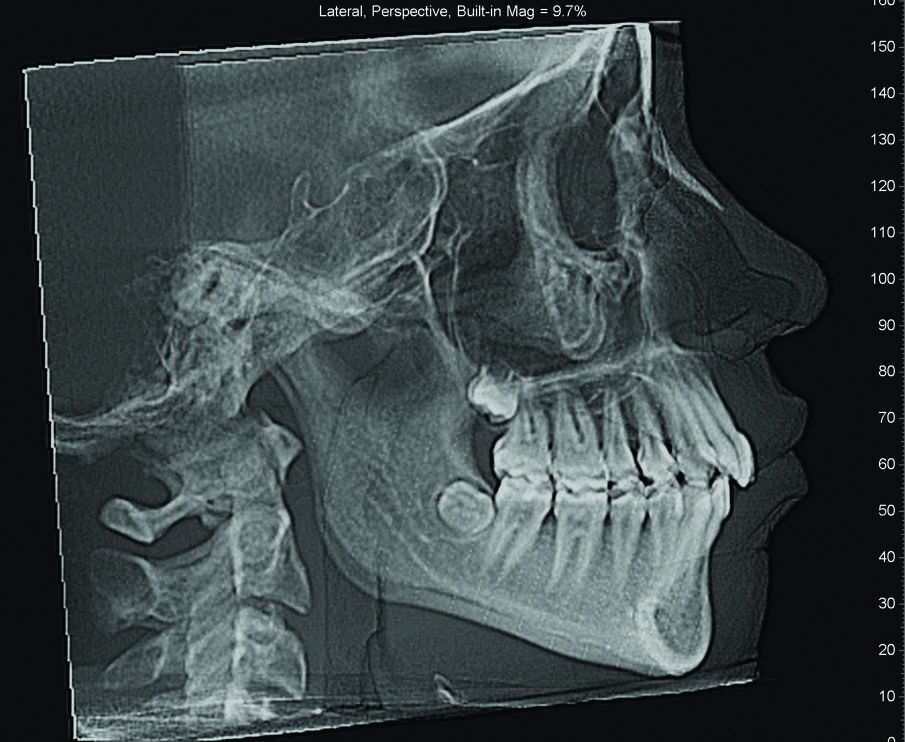
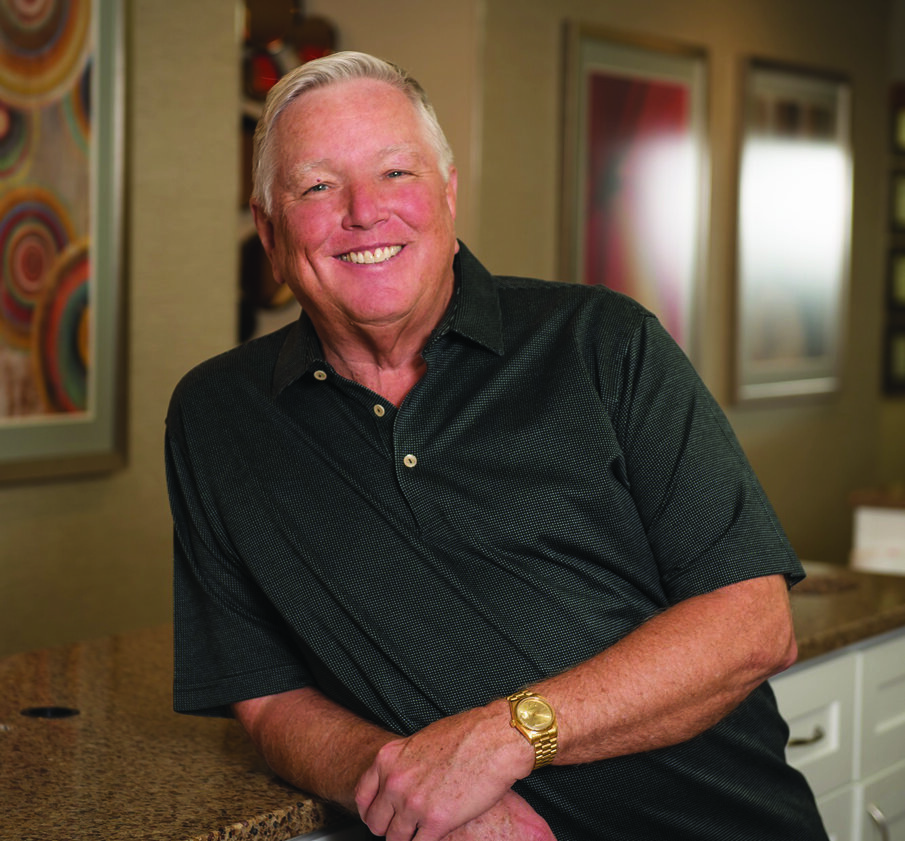
The findings in this case study (Fig. 4) are consistent with those we have observed with all patients treated with FXClear aligners. We are able to deliver excellent results with FXClear using fewer aligners and refinements, fewer visits and significantly shorter treatment times — leading to improved patient satisfaction.
Based on our clinical experience and an in-office study, we attribute these outcomes to FXClear’s proprietary multilayer polymer:
- Lower force levels than the leading brand, resulting in less sore teeth and more physiologically appropriate tooth movement.
- A greater range of movement per aligner, improving tracking.
- Enhanced control of tooth movement in all planes of space, leading to more predictable occlusal outcomes with less built-in overcorrection required.
With FXClear’s greater resiliency and shape memory, we have seen virtually no refinements because of unseated aligners in our experience treating more than 1,000 cases.
Another important factor contributing to fewer in-office visits is our adoption of another paradigm shift in treatment: remote monitoring. Patients complete weekly scans that are analyzed by AI to assess aligner fit and treatment progress.
Discussion
The introduction of aligners as a treatment modality in 1999 was an irreversible addition to treatment options because patients wanted esthetics and removeable appliances and all that this technology allows — such as the ability to eat without restrictions and maintain improved oral hygiene. Busy patients have also come to expect treatment that is efficient and affordable in fewer appointments.
The future of aligner treatment will most certainly continue to evolve as advances in technology and systems lead to increased delegation and remote care. I urge my colleagues to jump on the bandwagon. It is irreversible, and you will find your life less stressful while working fewer days to treat the same number or more patients in far fewer days while enjoying superior results. The future is now, which is why I still practice and love orthodontics after five decades!
Editorial note:
Dr. Terry Sellke has more than 50 years of experience in private practice in Lake County, Ill. He served for 36 years as a professor and co-director of the orthodontic clinic at University of Illinois Chicago College of Dentistry, where he also acted as a research advisor. An international author and lecturer, Dr. Sellke has contributed extensively to the advancement of orthodontic education and clinical practice.
Topics:
Tags:
Orthodontic therapy has faced three persistent challenges for decades: stability of correction, retention strategy and management of open bites — ...
OrthoFX announced preliminary results from a retrospective clinical study comparing treatment effectiveness and predictability of its FXClear aligner system...
Live webinar
Mon. 26 October 2026
11:00 AM EST (New York)
Live webinar
Mon. 26 October 2026
1:00 PM EST (New York)
Live webinar
Tue. 27 October 2026
12:00 PM EST (New York)
Live webinar
Tue. 27 October 2026
2:00 PM EST (New York)
Dr. Gil Asafrana D.M.D, B.M.Sc
Live webinar
Tue. 27 October 2026
4:00 PM EST (New York)
Dr. Adrian Gnatek PhD | Oral Surgeon
Live webinar
Wed. 28 October 2026
8:00 PM EST (New York)
Live webinar
Thu. 29 October 2026
2:00 PM EST (New York)



 International / International
 Brazil / Brasil
 Canada / Canada
 Latin America / Latinoamérica
 Austria / Österreich
 Bosnia and Herzegovina / Босна и Херцеговина
 Bulgaria / България
 Croatia / Hrvatska
 Czech Republic & Slovakia / Česká republika & Slovensko
 France / France
 Germany / Deutschland
 Greece / ΕΛΛΑΔΑ
 Hungary / Hungary
 Italy / Italia
 Netherlands / Nederland
 Nordic / Nordic
 Poland / Polska
 Portugal / Portugal
 Romania & Moldova / România & Moldova
 Slovenia / Slovenija
 Serbia & Montenegro / Србија и Црна Гора
 Spain / España
 Switzerland / Schweiz
 Turkey / Türkiye
 UK & Ireland / UK & Ireland
 China / 中国
 India / भारत गणराज्य
 Pakistan / Pākistān
 Vietnam / Việt Nam
 ASEAN / ASEAN
 Israel / מְדִינַת יִשְׂרָאֵל
 Algeria, Morocco & Tunisia / الجزائر والمغرب وتونس
 Middle East / Middle East
 Dr. Dimple DesaiRegister now1CELive webinar
 Dr. Ahmed ElmoghazyLive webinar
 Dr. Gil Asafrana D.M.D, B.M.ScRegister now1CELive webinar
 Dr. Adrian Gnatek PhD | Oral SurgeonRegister now1CE












To post a reply please login or register