A common barrier to wider provision of care for people with disabilities is limited exposure during dental training. How does collaboration with educational institutions help embed disability awareness and practical competence in undergraduate dental education and clinical training?
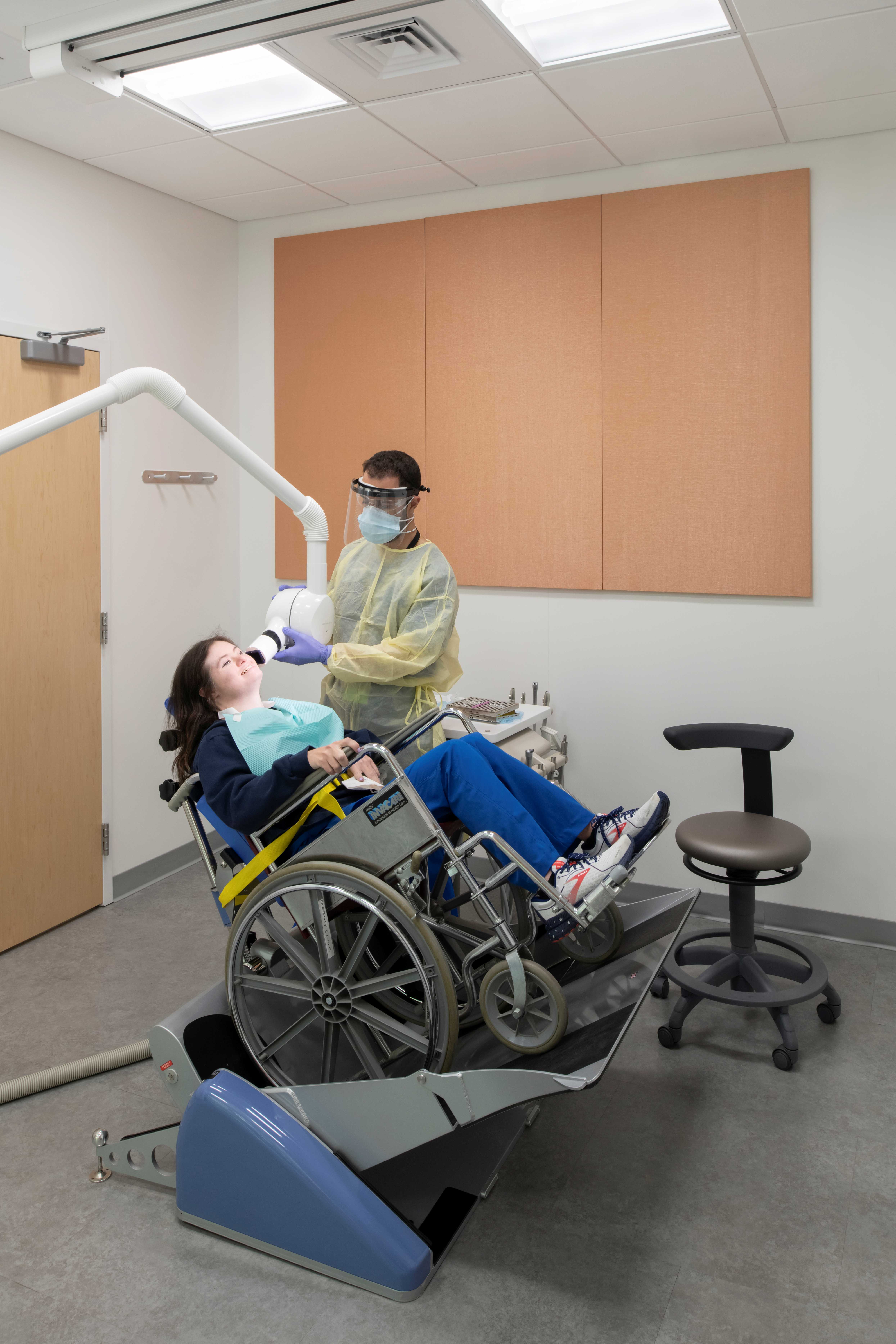
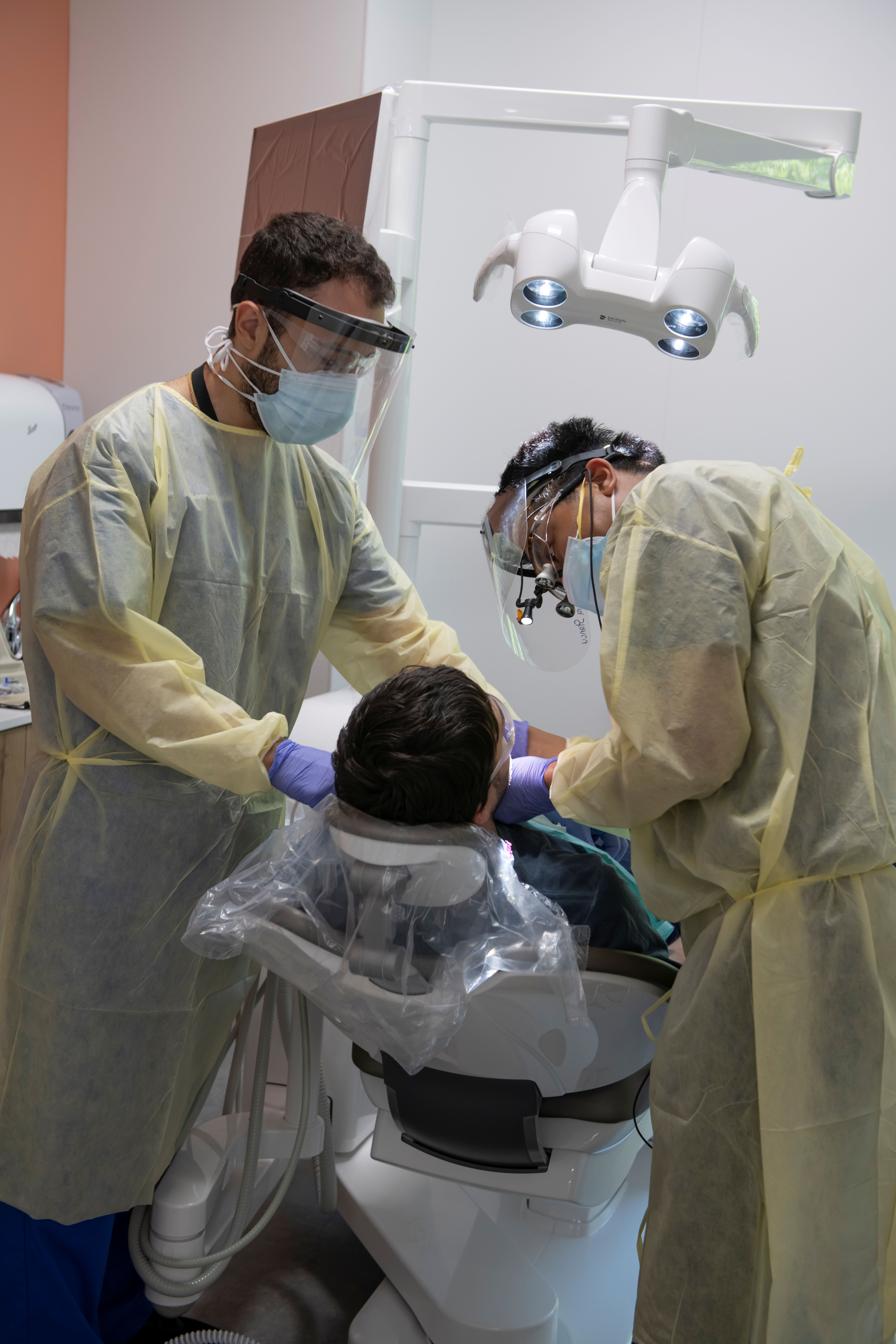
In our experience, relatively few educational institutions have dedicated programmes focusing on dentistry for people with disabilities. We’ve heard from students in the special care dentistry clinics our team helped create that they love working with these patients. Their experiences show that increased exposure helps reduce uncertainty and build confidence. In turn, graduates are more likely to provide care for people with disabilities in their own practices. That’s a compelling case for making this type of training a standard part of dental education. Our experience as a company in designing and equipping dental clinics at educational institutions can help universities implement these kinds of projects.
How can academic and clinical partnerships help move special care dentistry from the margins into more mainstream oral healthcare?
The partnerships that have moved the needle most have been built around shared conviction. When New York University developed what was arguably the first centre specifically designed to teach students how to work with patients with disabilities in a holistic sense, the project was realised through close collaboration between clinician educators, architects and an industry partner willing to think outside the box. We then built on that collaboration and experience and supported Penn Dental Medicine in the development of its clinic. These projects demonstrate what is possible, and I hope that they will inspire other institutions to begin developing their own models of care for people with disabilities. As more dental students gain experience working with these patients, more graduates carry that knowledge into practice.
Another way we can move special care dentistry from the margins into the mainstream is through education at the professional level. In 2024, we entered a four-year partnership with the International Association for Disability and Oral Health (iADH) to advance access to oral care and improve oral health for patients with disabilities. This initiative fits well with our sustainability strategy “BEYOND: Taking Action for a Brighter World” in terms of diversity, equity and inclusion.
Our relationship with iADH predates the formal partnership. In 2020, with support from Dentsply Sirona, iADH co-organised a webinar on incorporating special care dentistry into the undergraduate dental curriculum. In 2022, we built on this relationship through a global digital event on special care dentistry, held in collaboration with iADH and other dental education organisations. Speakers from the World Health Organization provided a general overview, alongside speakers from institutions in Dublin and Spain and from the University of Pennsylvania. More than 300 people participated.
Last year, at the 2025 annual meeting of the Association for Dental Education in Europe, we supported a session on special care dentistry. The conference typically attracts a large audience of dental educators from around the world, making it an appropriate forum for this topic. There is also interest among individual practitioners, particularly in Scandinavia and the Netherlands, although not all markets have demonstrated a compelling business case, and interest among academic institutions is similarly uneven.
Despite growing discussion around diversity, equity and inclusion in healthcare, access to appropriate dental care for people with disabilities remains limited in many regions. From your perspective, what responsibility does industry have—beyond providing technology and equipment—to help ensure that this important area receives sustained attention?
We should continue to support these efforts through our technology and equipment. At the same time, we have an opportunity to do more to advance a more holistic approach to caring for people with disabilities.
The industry overall needs to be more visible. Dentsply Sirona, as the world’s largest diversified manufacturer of professional dental products and technologies, has an opportunity to lead this charge. Our customers also want to see that we are working to have a positive impact on oral healthcare for people with disabilities.
Another area where we can lead is in helping dental schools make a compelling business case for investing in the training, infrastructure and clinical programmes needed to better serve patients with disabilities. The number of people with disabilities is increasing, partly because of population ageing and the increasing prevalence of chronic health conditions. All these individuals need access to oral healthcare.
Our hope is that we continue to raise awareness about caring for patients with disabilities. By highlighting the topic at conferences and industry events, we hope to inspire more institutions to establish dedicated programmes and encourage others across the industry to get involved.



 International / International
 Brazil / Brasil
 Canada / Canada
 Latin America / Latinoamérica
 Austria / Österreich
 Bosnia and Herzegovina / Босна и Херцеговина
 Bulgaria / България
 Croatia / Hrvatska
 Czech Republic & Slovakia / Česká republika & Slovensko
 France / France
 Germany / Deutschland
 Greece / ΕΛΛΑΔΑ
 Hungary / Hungary
 Italy / Italia
 Netherlands / Nederland
 Nordic / Nordic
 Poland / Polska
 Portugal / Portugal
 Romania & Moldova / România & Moldova
 Slovenia / Slovenija
 Serbia & Montenegro / Србија и Црна Гора
 Spain / España
 Switzerland / Schweiz
 Turkey / Türkiye
 UK & Ireland / UK & Ireland
 China / 中国
 India / भारत गणराज्य
 Pakistan / Pākistān
 Vietnam / Việt Nam
 ASEAN / ASEAN
 Israel / מְדִינַת יִשְׂרָאֵל
 Algeria, Morocco & Tunisia / الجزائر والمغرب وتونس
 Middle East / Middle East
 Dr. medic. stom. Henriette LernerRegister now1CELive webinar
 Dr. Stephen Chu DMD, MSD, CDTRegister now1CELive webinar
 Prof. Dr. Renato Voss DDS, MSCLive webinar
 Dr. Marko AhonenRegister now1CE














To post a reply please login or register