Search Dental Tribune

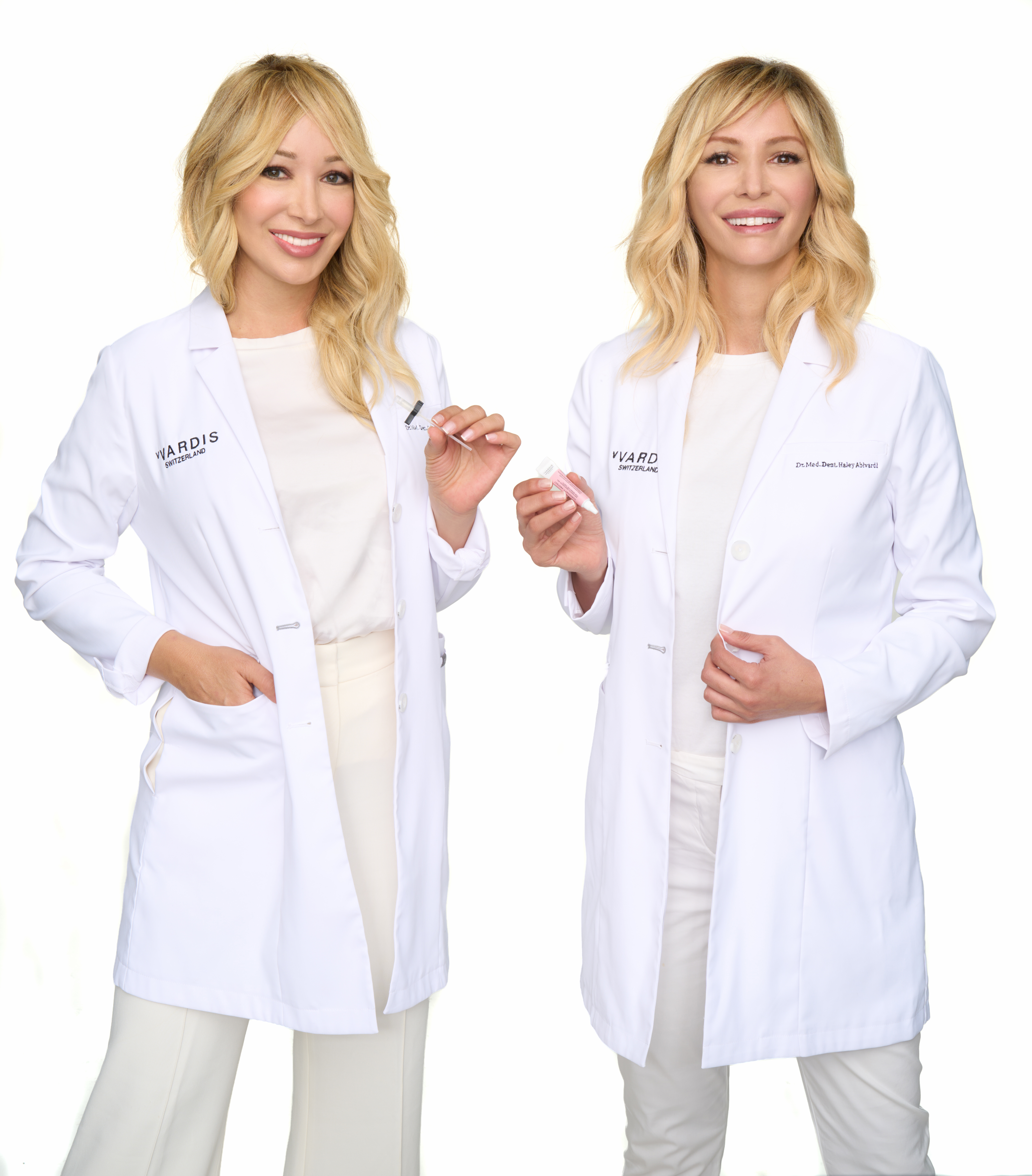
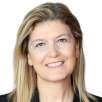
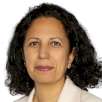
Drs Haley (left) and Goly Abivardi maintain that regenerative dentistry can close the long-standing treatment gap between prevention and invasive restoration. (All images: vVARDIS)
Dental Tribune International

Dental Tribune International

Fri. 12 June 2026

save

The rapid adoption of vVARDIS’s non-invasive caries treatment, Curodont, has helped the company become a unicorn, one of Europe’s few privately owned healthcare companies valued at more than US$1 billion (€853.3 million*). Founded by dentists Drs Haley and Goly Abivardi, vVARDIS is seeking to transform dentistry by shifting the focus from invasive restorative procedures to regenerative, tooth-preserving care. A recent investment by asset management firm Apollo, together with vVARDIS’s continued global expansion, is expected to support wider adoption of its flagship product Curodont for the treatment of  initial carious lesions. In this interview with Dental Tribune International, the sisters discuss the company’s journey to unicorn status, the growing demand for non-invasive restorative dentistry and how Curodont is reshaping the future of oral health care worldwide.

After building a dental support organisation (DSO) centred on a more fear-free, patient-centered experience, what inspired you to launch vVARDIS instead of stepping away from business?
Dr Haley Abivardi: After the success of our DSO, many people expected us to retire. But for us, success was never simply about business; it was about impact. We had transformed the patient experience, but we knew there was a much bigger opportunity ahead. Caries affects billions of people worldwide, and dentistry needed a non-invasive way to treat early-stage disease when prevention had failed. Our goal was to push the boundaries of what was possible in oral care: to regenerate hydroxyapatite to the depth of the lesion, preserve natural teeth, and improve oral health and overall health. For us, vVARDIS was not just another company; it was the next step in advancing a new philosophy of oral care.

You often speak about the life-changing impact of oral health. How did your experience providing free dental care to homeless patients shape your vision for vVARDIS and its mission to develop restorative, non-invasive technologies?
Dr Goly Abivardi: Treating homeless patients was one of the most emotional experiences of our lives. Many of the homeless patients had lost not only their teeth but also their confidence and dignity. After restoring their smiles, we saw patients reconnect with families, return to work and begin rebuilding their lives. That experience showed us that oral health is deeply connected to identity, opportunity and human connection.

This is the heart of our mission: “Save teeth. Save lives.” It is more than a slogan. It reflects what we have seen throughout our careers: when you restore oral health, you can help restore a person’s confidence, dignity and the opportunities for the future.

For Drs Goly (left) and Haley Abivardi, preserving natural teeth is not only a clinical goal but a pathway to improving patients’ confidence and quality of life.

For Drs Goly (left) and Haley Abivardi, preserving natural teeth is not only a clinical goal but a pathway to improving patients’ confidence and quality of life.

The company reached a valuation of over US$1 billion following Apollo’s investment. Looking back at the company’s development, what were the key business milestones that enabled vVARDIS to reach this point?
Dr Haley Abivardi: Several milestones were critical. First was the recognition of Curodont Repair and Curodont Repair Fluoride Plus in the US as non-invasive restorative treatments, distinct from preventive products such as fluoride varnish. Curodont enables dental professionals to treat early carious lesions through the formation of new hydroxyapatite crystals throughout the lesion, in just a few minutes, without numbing, drilling or artificial restorative material.

Curodont closes a long-standing treatment gap. Fluoride varnish works superficially, but early lesions can extend much deeper. In the past, dentists either watched and waited or removed carious tissue, often sacrificing healthy tooth structure. Now, for the first time, we can regenerate hydroxyapatite throughout the lesion, even in lesions extending toward the amelodentinal junction.

Curodont has created a new category in dentistry. It is backed by over 25 years of research, more than ten years of clinical use, more than 250 scientific publications, peer-reviewed meta-analyses, long-term real-world studies, and a documented success rate above 90%. It is being established as a new standard of care for early-stage caries in renowned universities around the world.

Another key milestone has been rapid adoption. Curodont is the fastest-growing dental product in its category. In the US, it is now used in nearly 20% of dental offices, just over two years since launch. More than three million teeth have been treated in the US and Europe, at a treatment cost per tooth similar to the cost of treating a filling. This momentum has also been recognised by leaders in health care and finance, including by Jamie Dimon at the 2025 J.P. Morgan Healthcare Conference.

Apollo’s investment follows last year’s US$85 million investment by OrbiMed. How has vVARDIS’s funding strategy evolved, and what will this new backing enable the company to do next?
Dr Goly Abivardi: Our funding strategy has focused on partnering with long-term investors who share our vision of transforming dentistry through innovation. OrbiMed supported our global commercial expansion, and Apollo enables the next phase of growth. With Apollo’s backing, we can accelerate the global rollout of Curodont, strengthen our commercial foundation, expand distribution and continue investing in innovation, clinical research and non-invasive, environmentally sustainable oral health care.
Which markets, partnerships or distribution channels have been most important in scaling vVARDIS so far, and where do you see the greatest growth potential now?
Dr Haley Abivardi: The US has been a major growth driver, with adoption across both single-office practices and DSOs, including Heartland Dental, Aspen Dental and PDS Health. Our expanded partnership with Henry Schein continues to accelerate US distribution. In Europe, our partnership with Dental Beauty Partners and mydentist is making Curodont Repair available to more than 500 practices and 3,500 clinicians across the UK. We are also growing in Italy through the Curodont Training Academy.

Looking ahead, we see significant growth potential in the Americas and the Middle East. As clinical guidelines and patient demand shift towards tooth-preserving care, interest in non-invasive restorative solutions such as Curodont Repair continues to grow worldwide.

What does vVARDIS’s valuation milestone mean for the dental industry, and how might it influence investor interest in oral healthcare innovation more broadly?
Dr Goly Abivardi: Dentistry has been long overdue for innovation. Achieving unicorn status through Apollo’s investment signals both the scale of unmet need in oral healthcare and the growing interest in transformative solutions. Curodont gives dentists a quick, easy-to-use, non-invasive solution for initial caries, addressing a long-standing unmet need in dentistry that has persisted for decades. Its rapid adoption shows the urgency and scale of demand, and we believe this momentum will attract even greater investment into minimally invasive, truly restorative oral healthcare.

“We saw first hand that when people regain their oral health, they also regain confidence, hope and quality of life.”—Dr Goly Abivardi, co-founder of vVARDIS

What do Curodont adoption figures in the US reveal about market demand for non-invasive caries treatment?
Dr Haley Abivardi: The US adoption figures show strong pent-up demand for a real alternative to invasive restoration when prevention fails. In many areas of medicine, treatment has shifted from removing damaged tissue to treating disease earlier and preserving or restoring tissue. Dentistry has lagged behind that shift. Curodont’s rapid uptake shows that patients and providers are ready for early-intervention, non-invasive dentistry.

How does the adoption of Curodont differ between the US and Europe, and what do these differences reveal about market readiness, reimbursement structures, clinical acceptance and future growth opportunities in each region?
Dr Goly Abivardi: Adoption differs by region because market structures, reimbursement pathways and clinical education vary. In the US, uptake has accelerated quickly, supported by strong interest from dentists and patients and by growing reimbursement for this restorative treatment. In Europe, adoption is developing more steadily as education, reimbursement and patient awareness evolve across markets. Both regions offer strong long-term growth opportunities, and as awareness increases, we expect more dentists and patients to embrace drill-free, fear-free treatment for early caries.

Editorial note:

* Calculated on the OANDA platform for 27 April 2026.

For more information about vVARDIS, please visit the company website.

Tags:
To post a reply please login or register
advertisement
advertisement